Bee Venom Collection
How to Start a Bee Venom Business in 2026
Quick Answer
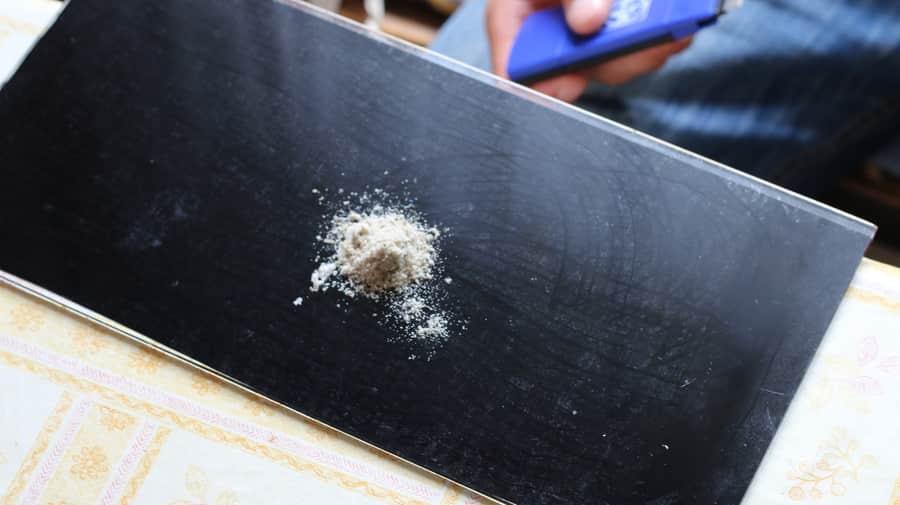
Starting a bee venom business is not just buying a collector. The business depends on colony strength, repeatable collection sessions, clean scraping and storage, buyer standards, personal safety, and whether the beekeeper can scale without weakening colonies.
Practical Takeaways
A realistic plan starts with colony count and labor time. One or two colonies are useful for learning the process, but they are not a dependable commercial supply. More colonies add equipment cost, transport time, recordkeeping, and higher responsibility for disease and mite control.
Before estimating revenue, confirm who would buy the venom, what purity and dryness they require, how they want it packaged, and whether they require documentation. Price per gram means little if the buyer rejects the material or if storage is inconsistent.
Keep health claims out of the business plan. The practical business is collection, handling, quality, and buyer communication, not promising medical outcomes.
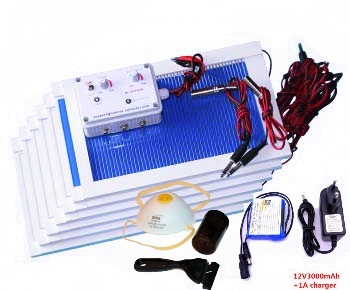
For beekeepers studying venom collection, the Bee V Collector product site is worth reviewing as a real equipment-cost reference because it shows multiple collector set sizes rather than only a single plate. Use it to estimate what a starting setup includes, then build your own budget around colony count, labor time, protective gear, storage, buyer requirements, and replacement parts.
Business Readiness Table
| Requirement | Why it matters | Not ready if |
|---|---|---|
| Stable colonies | Production depends on healthy bees | You are still learning basic inspections |
| Buyer requirements | Quality rules affect storage and packaging | You have no confirmed buyer expectations |
| Clean workflow | Contamination reduces value | Scraping and drying are improvised |
| Records | Buyers may ask for traceability | Dates, colonies, and batches are not tracked |
| Claim discipline | Health claims create risk | Marketing promises medical outcomes |
Field Notes for Beginners
Business timing should follow colony condition, not a revenue target. Strong colonies in a suitable season can tolerate more careful work than weak, queenless, hungry, or mite-stressed colonies.
Work calmly and keep your inspection goal narrow. If the task is equipment setup, finish setup. If the task is a queen check, confirm eggs, larvae, brood pattern, or queen presence and close the hive. Long open-hive sessions teach beginners bad habits because they reward curiosity more than colony stability.
Equipment and Safety Considerations
Protective gear should let you move steadily, see clearly, and close cuffs without gaps. Smokers need dry fuel and a cool, steady smoke. Hive tools should be simple enough to clean. Anything electrical, including bee venom collection equipment, deserves extra caution around moisture, exposed leads, and agitated bees.
If you are buying gear, look for replacement parts, cleanable surfaces, and dimensions that match your hive style. Saving money on a tool that does not fit your boxes often costs more during the first season.
How This Connects to the Rest of Your Apiary
This article sits inside a larger beginner plan. Read the how to collect bee venom methods equipment, best bee venom collectors compared 2026 guides next, and keep the broader bee venom collection category bookmarked while you build your seasonal checklist.
Internal linking matters for readers too. A beekeeper researching equipment also needs hive placement, inspection timing, and Varroa monitoring. A beekeeper researching bee venom collection needs colony health, safety, storage, and market reality before plugging in a collector.
Common Mistakes
The first mistake is treating a single article as a complete education. Beekeeping is local, seasonal, and biological. Use written guides as a map, then verify with your state extension office, local club, and what your own colonies show you.
The second mistake is buying specialized equipment before the basic workflow is stable. If you cannot inspect efficiently, recognize brood stages, and monitor mites, delay advanced projects until your hive management is reliable.
The third mistake is ignoring small discomforts. Gloves that prevent dexterity, a smoker that goes out every ten minutes, or a collector that is hard to clean will change how often you do the right work.
Buying and Timing Notes
Most beginner purchases should be timed around the next real hive task, not around a sale calendar. Buy protective gear before bees arrive. Buy feeding equipment before nectar gaps. Buy extraction tools after the colony has enough surplus to justify harvest planning. Buy advanced equipment, including venom collection devices, only after your inspection rhythm is reliable and you understand normal colony behavior.
If a tool touches bees directly, judge it by control and cleanup as much as price. A cheap tool that is difficult to sanitize, hard to inspect, or awkward to remove from a hive often creates more risk than it saves. For affiliate-linked recommendations, compare current prices, shipping time, return policy, replacement parts, and whether the seller provides real specifications rather than vague product copy.
For a business plan, separate the collector purchase from the operating plan. A device can help you collect venom, but your margin depends on repeatable scheduling, clean scraping, dry storage, buyer trust, and conservative colony management.
Safety and Welfare Check
Every beekeeping decision has a colony welfare side. Smoke should be cool, inspections should be purposeful, and manipulations should match weather and colony strength. Bee venom collection adds another layer because the equipment intentionally stimulates bees. That does not make the practice automatically wrong, but it means the beekeeper must be more conservative about frequency, season, colony condition, and personal allergy risk.
For beginner beekeepers, the best safety rule is to stop before the hive becomes defensive or before you become rushed. Close the colony, write notes, and come back with a clearer plan. Consistency is more valuable than forcing one long session to answer every question.
What To Do Next
Turn this guide into one concrete next action. If you are planning a first hive, price the equipment list and call your local association. If you already have bees, schedule the next inspection and write down the exact question you need to answer. If you are researching bee venom collection, read several safety-focused sources before comparing collectors or contacting buyers.
Source Notes
The recommendations here are grounded in extension-style beginner guidance and established bee health resources, then adapted for practical backyard and small-apiary use.
Bottom Line
How to Start a Bee Venom Business in 2026 is easiest to understand when you connect it to bee health, time, and repeatable routines. Choose tools that make careful work easier, schedule inspections before problems become emergencies, and keep safety ahead of production goals.